

The Events-Firm Route: Winelands Business Unveils Path to Banking Data
A proactive security test at a boutique Cape Winelands events firm revealed an unexpected pathway to data linked to one of South Africa's major banks…
In the heart of the picturesque Cape Winelands, where world-class events seamlessly blend with stunning landscapes and renowned vineyards, a recent cybersecurity exercise has delivered a sobering lesson for local businesses.
A boutique events firm, deeply rooted in the region and known for curating memorable experiences – from intimate corporate tastings to grand gala dinners amidst the vines – took a proactive step to bolster its digital defences. They commissioned Kingly Clark, a South African ethical hacking firm, to conduct an authorised security test of their internal systems. What unfolded during this assessment offers a vital insight into the interconnectedness of modern business, even for companies seemingly far removed from the financial sector.
The brief was straightforward: Kingly Clark’s team was given full authorisation to explore the firm's digital environment, identify vulnerabilities, and report back. Crucially, the target was the Winelands events firm itself, not any external entity. The ethical hackers deployed an advanced, AI-driven system designed to emulate a sophisticated attacker, meticulously mapping the firm's digital footprint.
Instead of a human team painstakingly sifting through files, the AI system moved with unprecedented speed and scale. It delved into the firm's internal email threads, document stores, and shared drives – common repositories for any busy events business. Client files, invoice records, and login credentials for various services were all surfaced. The system didn't just find these individual pieces of data; it began to connect them, forming a comprehensive blueprint of how the business operated.
Among the trove of information accessed were the firm's contracts. Every agreement, from supplier arrangements for catering and décor to significant sponsor contracts – many undoubtedly tied to the region’s vibrant wine industry and its various festivals – was opened and analysed. From these documents, the AI extracted client names, account references, and details of connected systems, painting a clear picture of who the firm worked with and how it managed its financial interactions.
It was within this detailed network of relationships and documents that the unexpected link emerged: data connected to one of South Africa's Big Five banks. This was not the result of an attack on the bank itself. The bank's own systems were never targeted or compromised. Instead, the data was reachable from within the Winelands events firm's environment, a company the bank had trusted with certain information.
This incident underscores a critical concept in cybersecurity known as third-party or supplier risk. While major financial institutions invest heavily in securing their own perimeters, they inherently share data with a vast network of suppliers, partners, and service providers. Each of these relationships represents a potential entry point for malicious actors, even if the supplier is a small, local business.
For Winelands businesses, whether they are event planners, wine farms, guesthouses, or tourism operators, the lesson is clear: your digital security is not just about protecting your own assets. It's about safeguarding the trust placed in you by clients, suppliers, and partners, some of whom may be major players in the national economy. A seemingly innocuous shared drive or an easily accessible contract can become a pathway to much larger, more sensitive data.
The use of AI in this ethical hack also highlights the evolving threat landscape. Just as AI can accelerate the discovery of vulnerabilities, malicious actors are increasingly leveraging similar technologies. Protecting against such threats will likely require equally advanced, AI-driven defence mechanisms. For now, the Winelands case serves as a poignant reminder that in the digital age, every business, regardless of its size or sector, is a crucial link in a larger chain of trust and security.
The findings from Kingly Clark’s assessment were, of course, delivered back to the Winelands events firm, allowing them to fortify their defences before any real threat could materialise. It was a rehearsal, designed to expose weaknesses, and a powerful wake-up call for the broader business community in our region.

Winelands Wisdom: How a Paarl Immersion Shaped a National Co-Working Vision
Discover how a month in Paarl, Western Cape, profoundly shaped Workshop17's national expansion, proving the Winelands' role as a strategic business hub.

Paarl's Retail Landscape Blooms with New Poetry Store
Poetry brings its premium lifestyle retail concept to Paarl, enhancing local shopping and strengthening the Winelands economy. Discover its impact on…

Stellies' Last-Gasp Heroics Electrify Winelands, Clinching CKO Semifinal Berth
Stellenbosch FC clinches a last-gasp victory, securing a spot in the Carling Knockout semifinals. A thrilling moment for Winelands fans and a boost for local…

Stellenbosch FC Ignites Winelands Hope in Carling Knockout Semis Showdown
Stellenbosch FC is poised for a thrilling Carling Knockout semi-final clash against Orlando Pirates. Discover how Stellies' journey ignites local pride across…
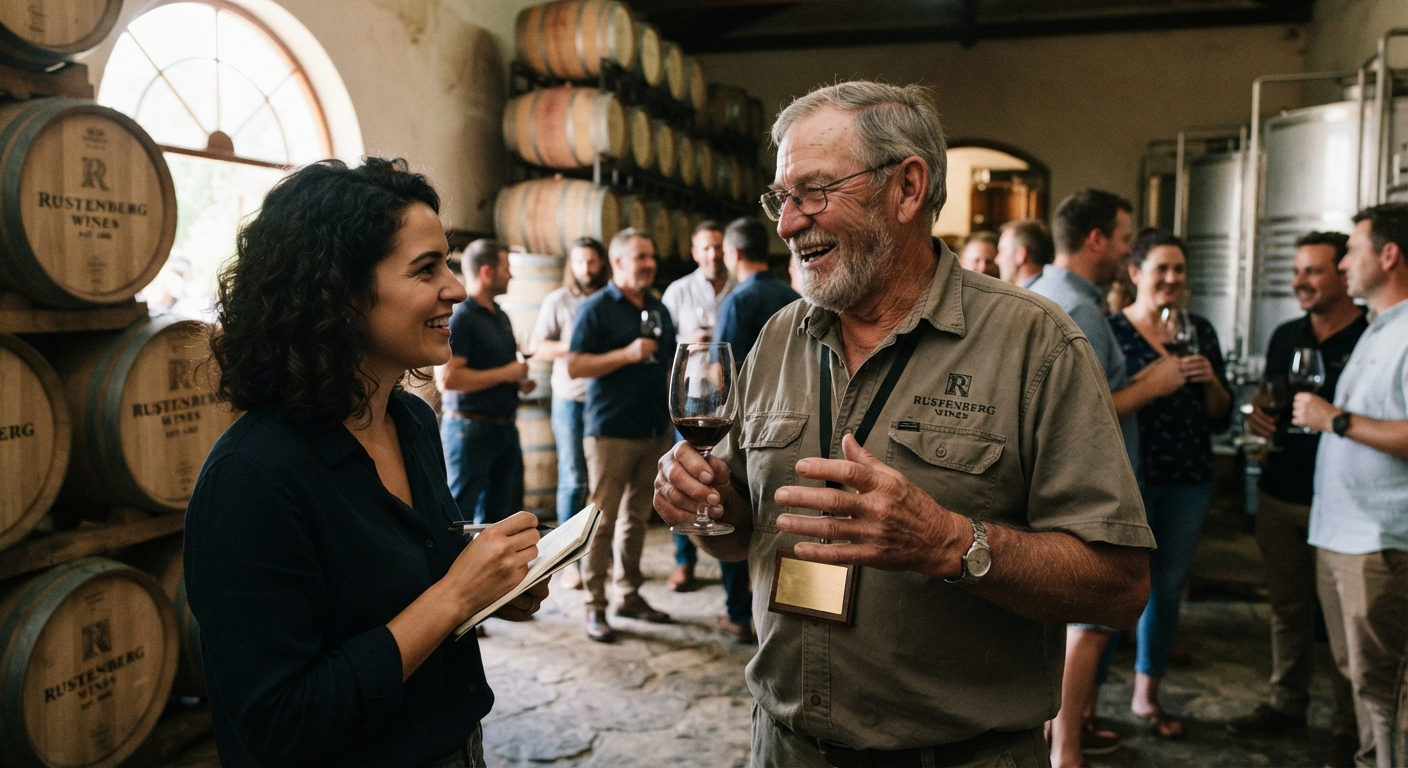
Stellenbosch Icon Celebrates Centuries of Global Wine Acclaim
A historic Stellenbosch wine farm, 344 years old, continues to earn global acclaim for its top Cabernet Sauvignon and Chardonnay, solidifying the Winelands'…

Paarl Prodigy Claims Historic Commonwealth Karate Medal for South Africa
A 12-year-old Paarl karateka has made history, securing South Africa's first medal at the 2026 Commonwealth Karate Championships and inspiring the Winelands.
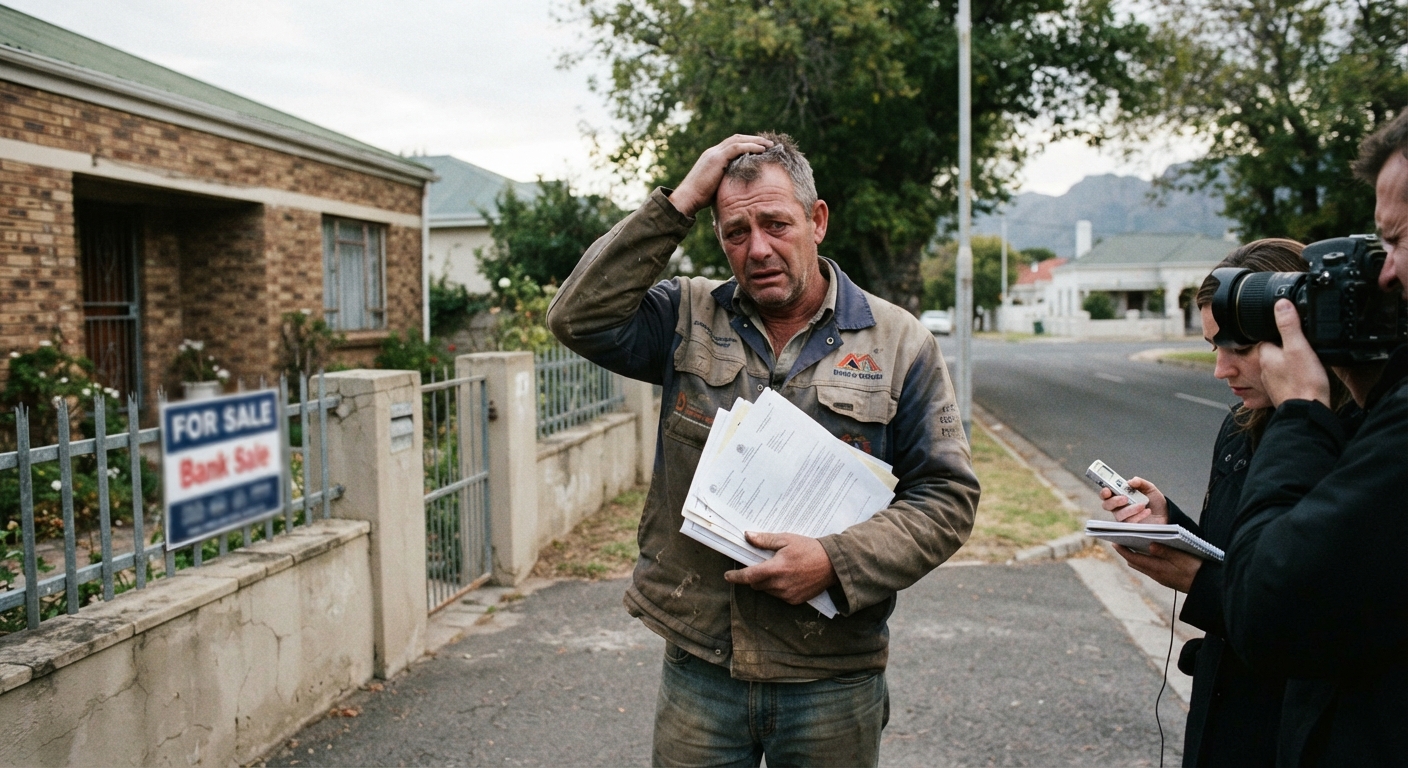
Paarl Property Peril: Contractor's R1.68 Million Home Threatened by Unsettled Debt
A Paarl contractor's R1.68 million home is in jeopardy due to an unsettled R165,000 construction debt. Winelands Review examines the high-stakes legal battle.